
Hand-picked organic tea from the mountains of Guria — where ancient culture meets misty mountains and a rich subtropical climate. Crafted with tradition since 2016.
Founded in 2016, Greengold (Laituri Tea Company) has rehabilitated 25+ hectares of abandoned high-mountain tea plantations in Guria — one of the country's most famous tea regions, where high-mountain fresh air meets the Black Sea breeze. Our seed-grown bushes rest under cold Georgian winters and yield only 7 months a year, producing tea of remarkable complexity. Every harvest is hand-picked; all plantations are organic-certified for EU and US markets.
From Mountain Georgia to Europe, the Americas and Asia — Greengold ships to:
 USA
USA
 Canada
 United Kingdom
 Germany
 France
 Italy
Italy
 Switzerland
 Poland
 Czech Republic
 Slovakia
 Finland
 Ukraine
 Montenegro
 China
China
From traditional Gurian black tea to GABA, Qvevri-aged and pressed cakes — 25 distinct teas for traders worldwide.
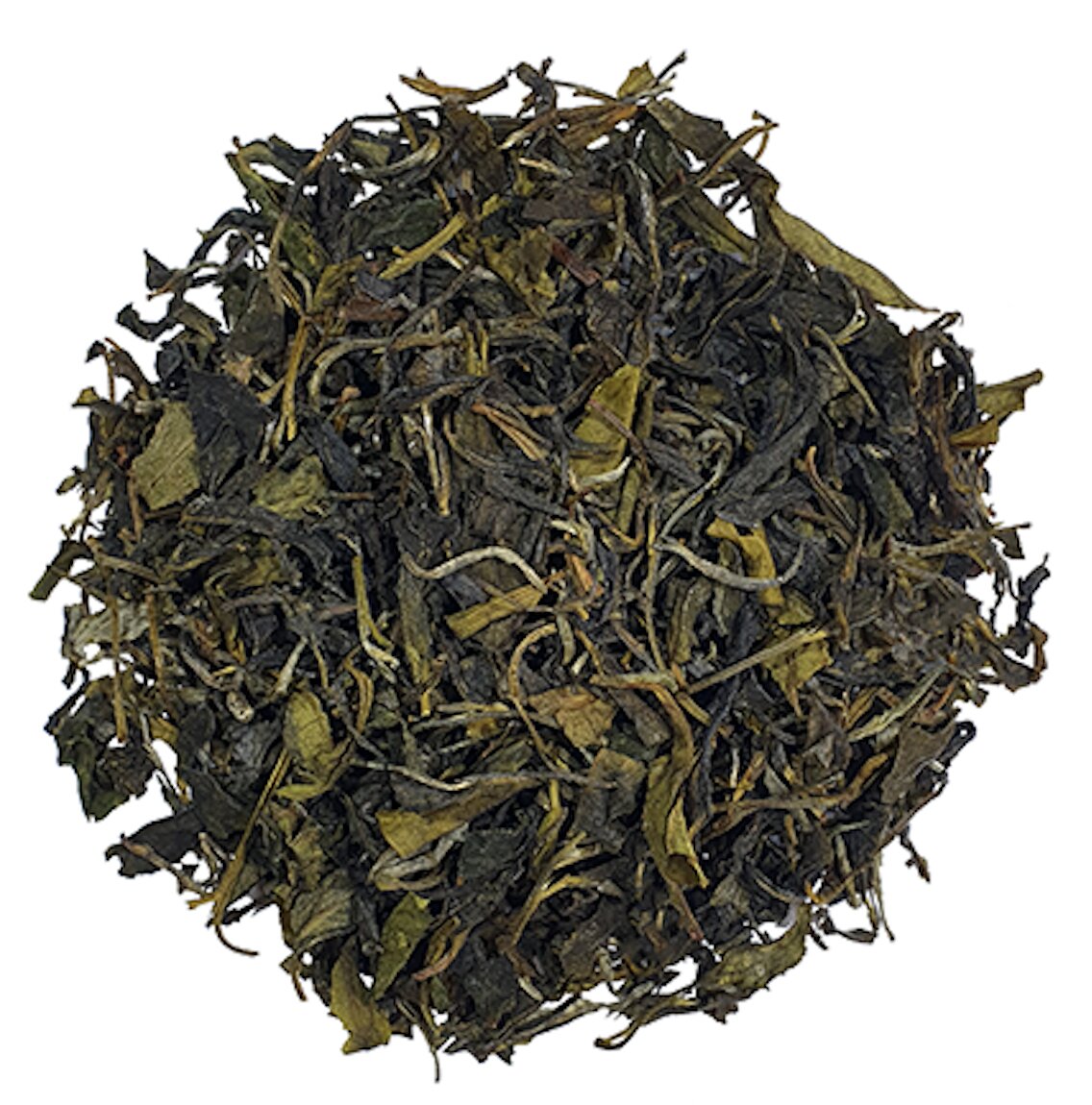
Our flagship — Georgian ancestors called tea "mts'vane okro" / "Green Gold".
Read More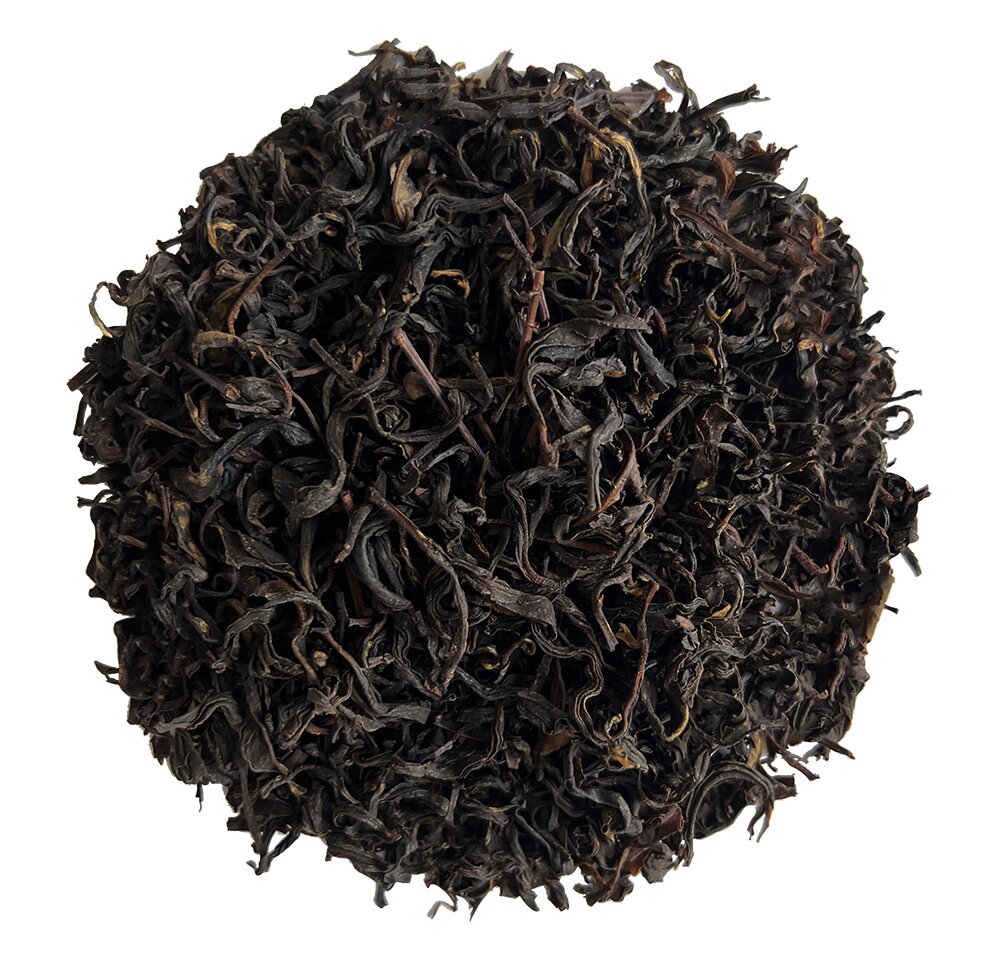
Named after Georgia's traditional clay wine vessel "Qvevri" and our village "Etseri".
Read More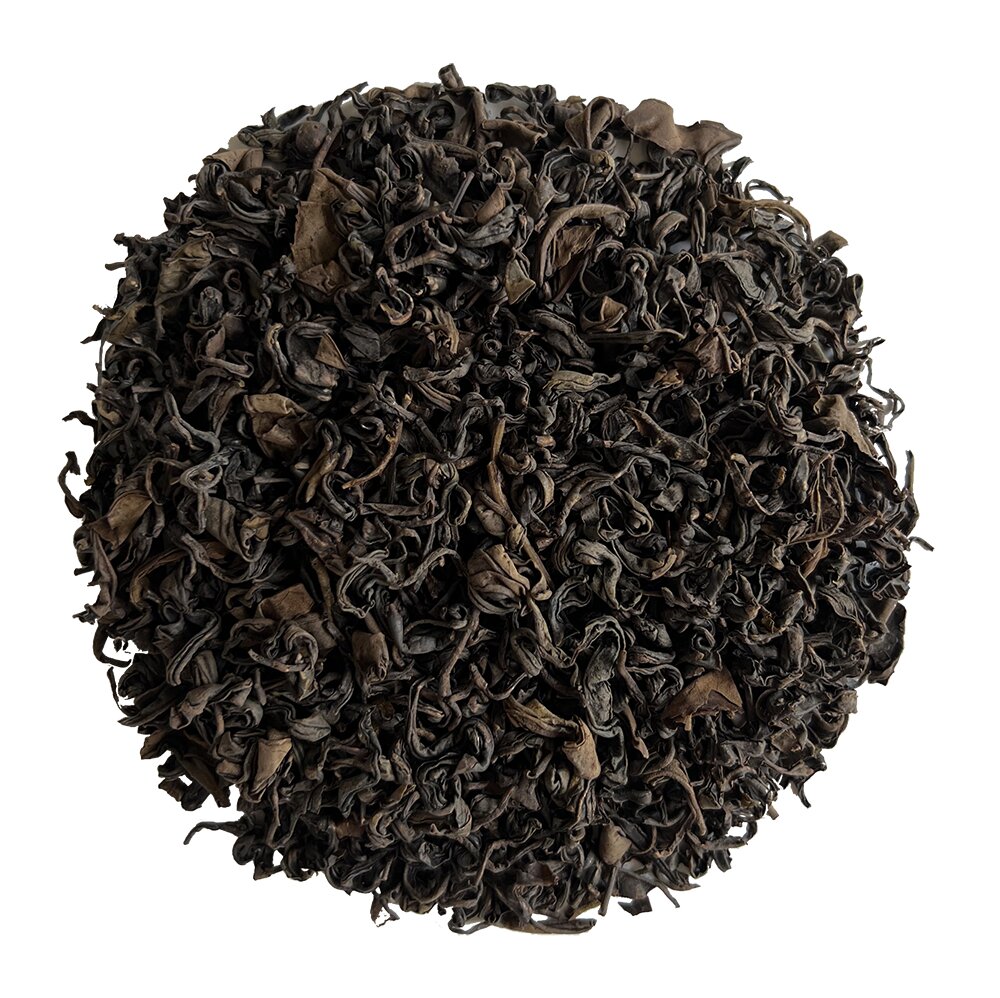
A roasted green tea — strong fire, strong aroma. Named after the Phoenix.
Read More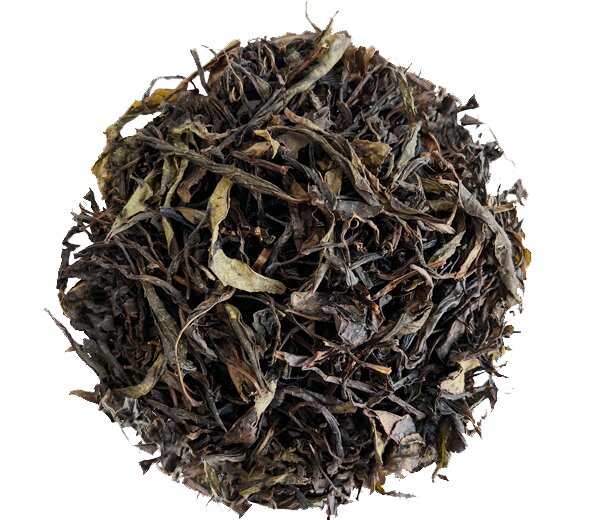
Oolong inspired by our founder and tea master Nika Sioridze.
Read More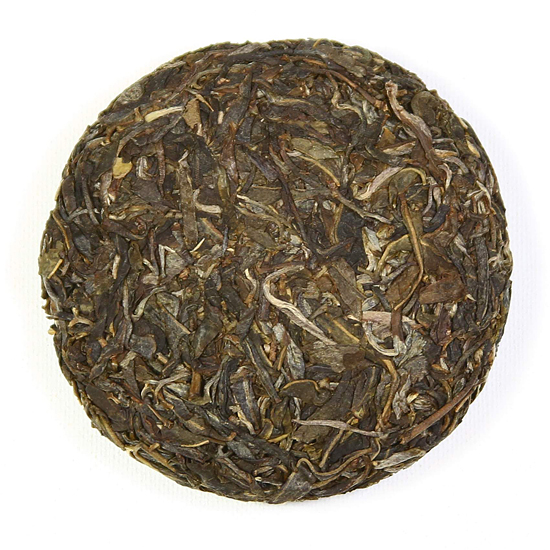
Sheng-style tea first produced in Georgia — born in the Greengold factory.
Read More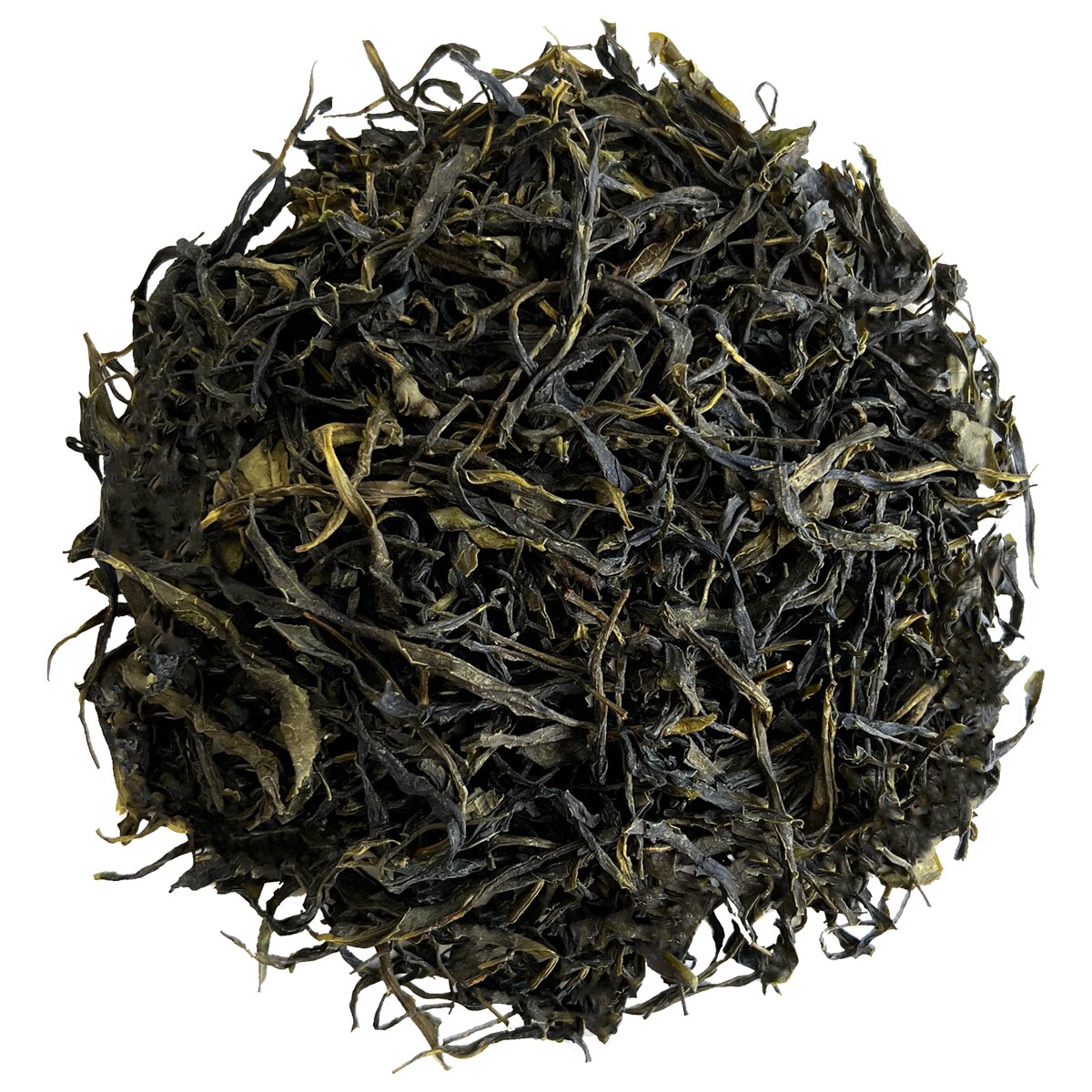
Green tea from the Black Sea lowlands — mountain air meets sea breeze.
Read MoreFor decades, the world never tasted true Georgian tea. During the Soviet era, our tradition was kept within closed borders — widely consumed across the USSR but never properly introduced to global markets. A remarkable tea culture existed, yet remained largely undiscovered. Today, Greengold returns this hidden legacy to the world: organic, distinctive, deeply rooted in origin.
Georgia is also the birthplace of qvevri winemaking — a UNESCO-protected tradition of fermenting in clay vessels buried underground. At Greengold, we adapted this ancient method to tea. Our Qvevri Etseri is unique in the world: tea leaves aged in the same vessels our ancestors used for wine.
Explore our innovationsFive steps, centuries of practice — the same hands that pick the leaves see the tea through every stage.
Traditionally done by hand, tea harvesting involves gathering unopened buds, and the top few leaves of each branch, depending on the variety of tea being made.
Freshly-harvested tea leaves can be quite stiff and difficult to work with. Exposing them to air and allowing them to wither reduces water content, rendering them soft and pliable.
After withering, tea leaves are rolled, pressed, or twisted by hand or chopped in a CTC machine to break down their cell walls.
Oxidation / fermentation is vital for flavor development. After rolling, leaves are allowed to rest for several hours, during which oxygen causes enzymes to undergo a chemical reaction.
To halt oxidation, heat is applied to tea leaves to kill off the enzymes responsible for the process. This also lowers moisture content, which helps keep the tea fresh.
In the region of Guria, West Georgia, the tea harvest tradition has been alive for many centuries — and our company is proudly continuing this heritage.
Our tea bushes are surrounded by paulownia tomentosa trees, which build a unique microclimate around each plantation.
We have modernized the long history of tea harvesting in West Georgia with our highly equipped, technology-driven Tea Factory.
Check out our latest presentation for full retail and wholesale details.